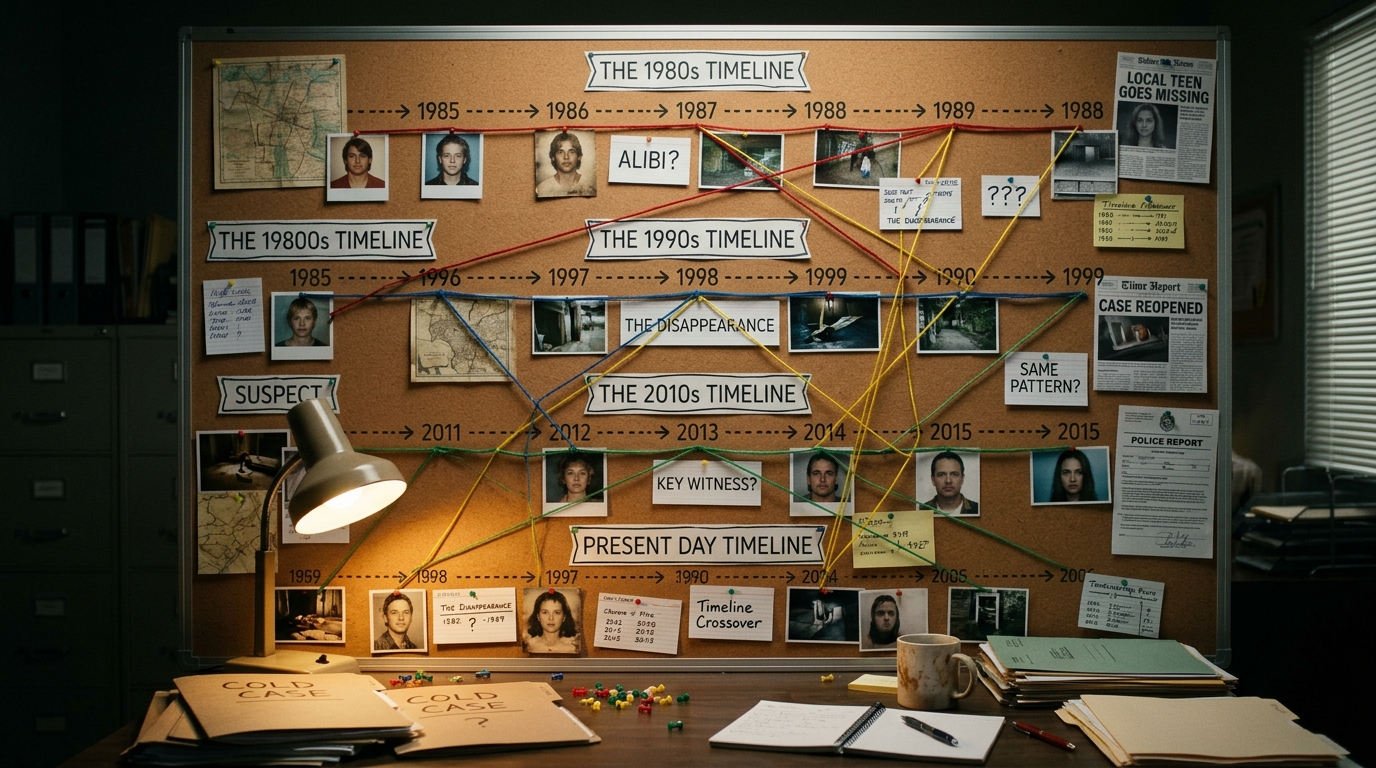
When a favorite series returns after a long break, the temptation is to rewatch everything. That can be enjoyable, but it is rarely necessary. Most viewers need to recover three things: the central conflict, the relationships changed by the previous season, and the unresolved questions that will matter next. A focused catch-up session can restore that context without turning the premiere into a homework deadline.
The best method depends on the show. A character-led drama may require remembering emotional choices; a mystery may depend on the order in which evidence was revealed; a fantasy series may involve geographic and political changes. You can prepare for each with a short routine that preserves the pleasure of discovery.
Start with what you still remember
Before opening a recap, take one minute to describe the previous season from memory. Who was facing the central problem? What major decision changed the situation? Which relationship felt unresolved? Your imperfect answer is useful because it identifies the gaps that matter to you, not the details someone else thinks you should memorize.
Do not worry about reproducing every character name or episode title. Remembering that a former ally made a betrayal is often enough to recognize the significance of a new scene. If a supporting subplot barely registered when you watched it, there may be no reason to study it extensively before the premiere. Focus on the story threads that carried real emotional weight.
Read a recap with a clear spoiler boundary
Choose a summary that explicitly stops at the end of the season you have already watched. Internet articles and videos sometimes discuss future episodes in the same page, especially when they were updated after later seasons released. A title like “everything explained” may conceal information you do not want. Read the first lines carefully and check publication context before proceeding.
A useful recap distinguishes major facts from interpretations. It should tell you what a character learned, what the audience learned and what remains uncertain. The distinction matters in mystery series because viewers often know a secret that an investigator or family member does not. Confusing those perspectives can make new episodes feel illogical when the characters act on limited information.
Rewatch the finale before the pilot
If you have time for only one episode, the previous season's finale is usually a better refresher than the original pilot. It shows the current state of relationships, the most recent consequences and the questions the next season is expected to inherit. The pilot may be valuable for thematic echoes, but it often describes circumstances that have changed substantially.
While rewatching, pay attention to decisions rather than only surprise reveals. Who chose a side? Who made an irreversible promise? What did someone conceal, and from whom? These actions are likely to influence the opening of the new season. You can pause after a confusing scene to consult a recap instead of interrupting the entire episode with constant searches.
Create a compact character map
A sprawling ensemble can become difficult to follow after a break. Make a list of only the characters important to the next central conflict, with a short phrase describing each relationship: allied, estranged, indebted, suspicious or unaware. A political fantasy may need a note about leaders and factions; a family drama may need an outline of loyalties and resentments.
Avoid producing an encyclopedia. If the series introduces a minor character again, the episode will often provide enough context to recognize their role. Your map is successful when you can understand why two people meeting creates tension. The point is not to memorize every name but to restore the emotional and strategic relationships that give scenes meaning.
For which details truly deserve space in your refresher, see our guide to the story details worth remembering in season recaps.
Separate chronology from revelation order
In shows with flashbacks or parallel timelines, the order of events differs from the order viewers learned about them. A recap can accidentally erase that distinction by telling the whole story chronologically. For a mystery, it may matter that a character acted on an incomplete belief even though the audience later learned the truth. Write two small columns if necessary: what happened, and when the audience discovered it.
This approach is especially useful for stories in which adult characters revisit events from youth or competing witnesses describe the same incident. You can acknowledge an unresolved contradiction without trying to settle it. A quick catch-up should prepare you for questions, not force you to adopt an unsupported theory before the new season has begun.
Refresh a fantasy world without learning every name
Large-scale fantasy can demand memory of places, alliances and rules. Try drawing a tiny map of the central conflict rather than studying a complete fictional atlas. Which territories are threatened? Which groups are cooperating, and what would they lose if cooperation fails? These questions orient the action far better than a list of unfamiliar place names detached from character stakes.
If a magic system or political rule is relevant, note only how it limits action. “This power carries a cost” is more useful for following a decision than memorizing a technical glossary. A good fantasy series should still explain essential details when they matter. Your preparation is meant to reduce friction, not compensate for every possible storytelling omission.
A practical refresher for a two-hour window
If your new season begins tomorrow and you have only two hours tonight, a complete rewatch is probably the wrong approach. Spend the first ten minutes identifying the characters who remain central, the previous finale's unresolved conflicts and any changes in status that will affect the opening episode. A brief official season synopsis or the last episode's description can establish the broad path without demanding that you relive every side story. Avoid unrestricted social-media searches, which may mix past details with leaked or later-season events.
Use the next half hour to revisit moments where decisions changed relationships. A character's sudden alliance in the finale may make little sense unless you remember an earlier betrayal; an apparently minor confession may be the reason two characters cannot trust one another. Select scenes by their continuing consequences, not their popularity. For an investigation story, note what is established as evidence and what remains a theory. For a family drama, prioritize promises, separations and changed loyalties.
Then watch the previous season's finale if you have not seen it recently. Even a summary that correctly reports what happened may not preserve the emotional weight of a performance or a quiet exchange. The finale's closing images often reveal what kind of uncertainty the writers intend to carry forward. If you cannot fit the episode into your schedule, read a recap scoped to that installment, but be aware that another writer may interpret ambiguous details differently from the show itself.
In the remaining time, make a five-line note: where the story ended, what the protagonist wants next, which relationships are unstable, the most important unanswered question and one fact you should not mistake for a confirmed answer. That note is more useful than a page of disconnected plot points. The purpose of catching up is not to pass a memory test. It is to make the first new episode feel emotionally continuous with the story you already experienced.
Sources and useful viewing resources
The refresh plan is an editorial suggestion to save time before returning to a long-running story. The linked catalog directory helps identify where older seasons may be legally listed.