A strong season recap is not a shorter version of every episode. It is a selective account of the facts and choices the audience needs in order to understand what comes next. That means leaving out plenty of memorable material: funny one-liners, atmospheric detours and even entire subplots that ended without affecting the season's central conflicts. Good editing is not disrespect for the show. It is what makes a recap useful.
The central task is to distinguish the details that change the story from those that only fill it. A viewer preparing for a new season usually wants to know who changed, what was revealed, what remains unresolved and why those developments matter.
The initial problem that shaped the season
Begin by identifying the season's main source of pressure. A family might be threatened by financial collapse, an investigator may face a case that tests their professional identity, or rival factions may compete for a fragile alliance. This creates the framework within which individual episodes make sense. Without it, a recap can feel like a random chain of incidents.
State the problem in one or two sentences before collecting details. If you cannot do that, the season may have several equally important storylines. Describe those separately rather than inventing one artificial master plot. A useful recap respects the shape of the storytelling it summarizes, including occasions when an ensemble deliberately distributes attention across different lives.
The choices that could not be taken back
Many television plots contain temporary problems that are solved by the next scene. More important for recaps are choices that change future options: a character admits a deception, betrays an ally, takes a public position or sacrifices something that cannot be recovered. These turning points explain why relationships and institutions look different when the new season begins.
Record the motivation alongside the action. Saying that someone left a family is factual but incomplete if the next season depends on whether they left from fear, loyalty or ambition. Avoid inventing motives the script did not establish. Where the work deliberately leaves a decision ambiguous, say so. A recap becomes more trustworthy when it distinguishes observed behavior from interpretation.
Who knows what by the final episode?
Mystery and thriller narratives frequently depend on unequal information. The audience may know who lied, while the investigator trusts the lie; two characters may share a secret that a third suspects but cannot prove. A chronological plot summary can accidentally erase these distinctions, making later decisions appear irrational when they were actually based on limited knowledge.
Create a brief knowledge map at the end of the season. Who has seen the evidence? Who has been deceived? Which revelation was public, and which occurred in private? You do not need a spreadsheet for every show. A few precise sentences may be enough. The aim is to restore the dramatic irony that gives upcoming scenes their tension.
Relationships are part of the plot
Not every decisive moment involves a murder, war or business deal. A conversation can permanently alter trust. A reconciliation can create a new obligation; an apparent friendship may become strained by unspoken resentment. These developments often determine why viewers care about the next season even when the large external conflict has changed.
Instead of listing each interaction, describe the relationship at the beginning and end of the season. If two characters moved from reluctant allies to open opponents, identify the event that made the change credible. This method reveals character development without retelling every scene. It also allows a recap to preserve emotional nuance that a list of shocking twists would miss.
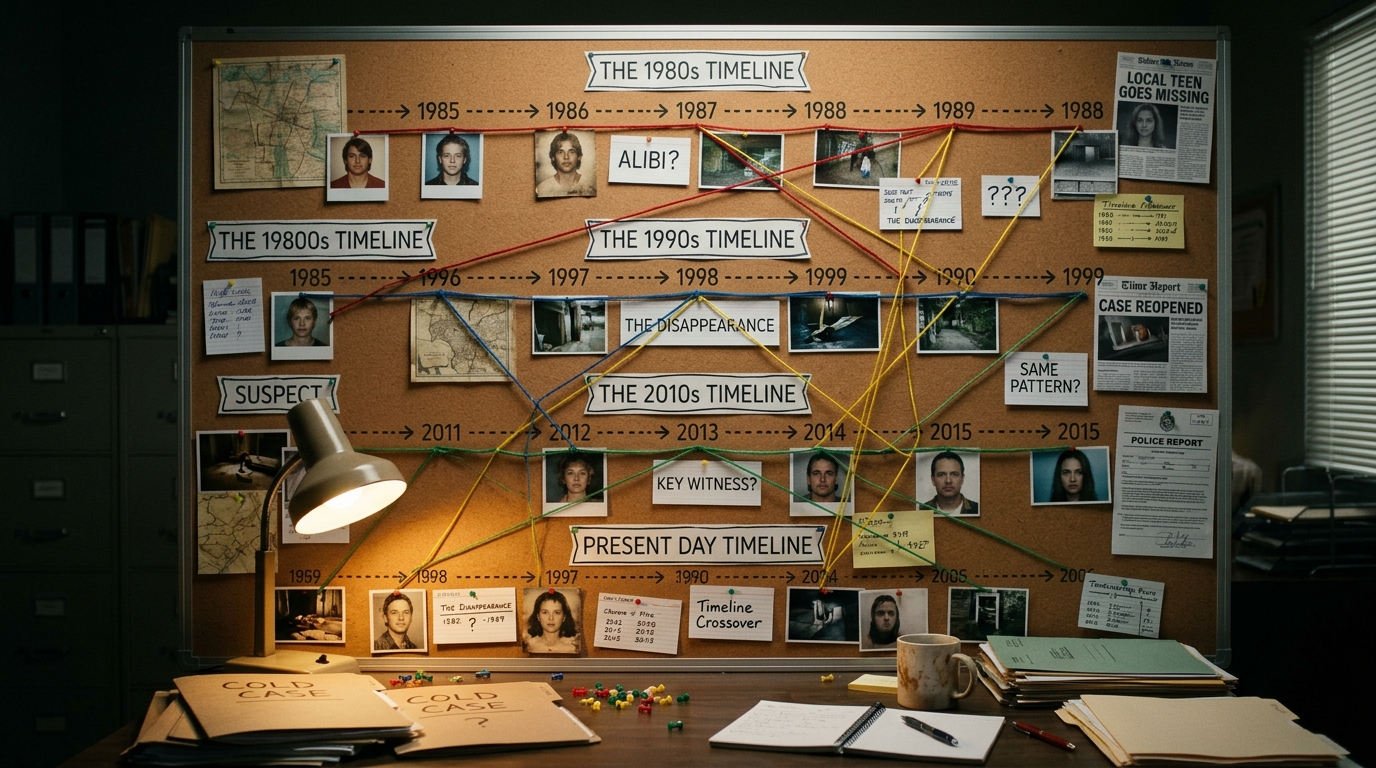
For how a complex narrative rearranges our understanding of events, see our guide to following multiple mystery timelines.
Distinguish solved questions from open threads
A season finale may provide an answer to its immediate mystery while introducing a new uncertainty. A good recap notes both. It should not treat every unresolved detail as an intentional cliffhanger, nor suggest that an ambiguous symbol necessarily has one hidden explanation. Sometimes the story has simply not returned to a side character; sometimes it has clearly invited a future confrontation.
Use careful labels: confirmed, strongly suggested, unresolved and speculative. These words make a recap much easier to trust. They are especially valuable when readers encounter online theories that blend genuine onscreen facts with imaginative predictions. The reader should emerge knowing what the show established, not what a popular discussion thread prefers to believe.
How much world-building belongs in the summary?
For fantasy or science fiction, a recap may need to explain changes to geography, power structures or supernatural rules. Choose only those that affect current conflicts. If a new alliance changes which territories are safe, that belongs in the summary. If a ceremonial title or background legend has not affected the plot, a reminder can wait until the show makes it relevant.
Translate unfamiliar terminology into stakes. Instead of presenting a long list of invented names, explain who controls a place, why another group wants it and what a character stands to lose. This maintains the genre's richness while making the recap accessible to someone returning after a long gap. Readers should feel oriented, not examined.
End at the correct spoiler line
A recap of season one should stop at the end of season one. It must not casually reveal a later-season outcome just to demonstrate that the writer knows the whole series. This boundary is essential for viewers watching on a delay or returning after a break. Mark the covered episodes prominently and use neutral wording in headings that appear on search results.
The best season recap restores the logic of the story and then gets out of the way. It helps viewers recognize why a character's next decision matters while preserving the experience of discovering what that decision will be. Selectivity, accuracy and respect for the reader's spoiler boundary make that possible.
Sources and useful viewing resources
The recap framework is intended to avoid accidental spoilers and unnecessary trivia. The external link is a legal availability tool, not supporting evidence for narrative interpretation.