The best streaming service is not the one with the longest catalog or loudest original series. It is the one whose selection, price and viewing experience match the way you actually watch television. A platform with thousands of titles offers little value if you use it for one show and forget to cancel. A smaller service may be excellent if its particular dramas, comedies or international programs are what you choose most evenings.
Rather than compare every promotional promise, start with your viewing habits. The decision becomes clearer when you separate catalog fit, monthly cost, convenience, and actual access in your country. Service names and plan features can change, so verify current details in the local checkout screen before subscribing.
Map your taste with recent watches
Look at the last five series you finished voluntarily. Which ones made you press play without hesitation? Note their genre, tone, episode length, language and degree of serialization. You might discover that you describe yourself as a fantasy fan but mostly complete character-driven dramas. Or perhaps you enjoy crime mysteries only when they have a planned ending. Your completed watches are more revealing than the titles you once added because a trailer looked impressive.
Make a short list of what you would happily watch next. Separate “must see” from “interesting someday.” A service with three immediate priorities can be worth more this month than another platform with dozens of vague possibilities. This approach also prevents the popularity of one headline premiere from distorting your assessment of the full subscription.
Compare available shows, not advertising banners
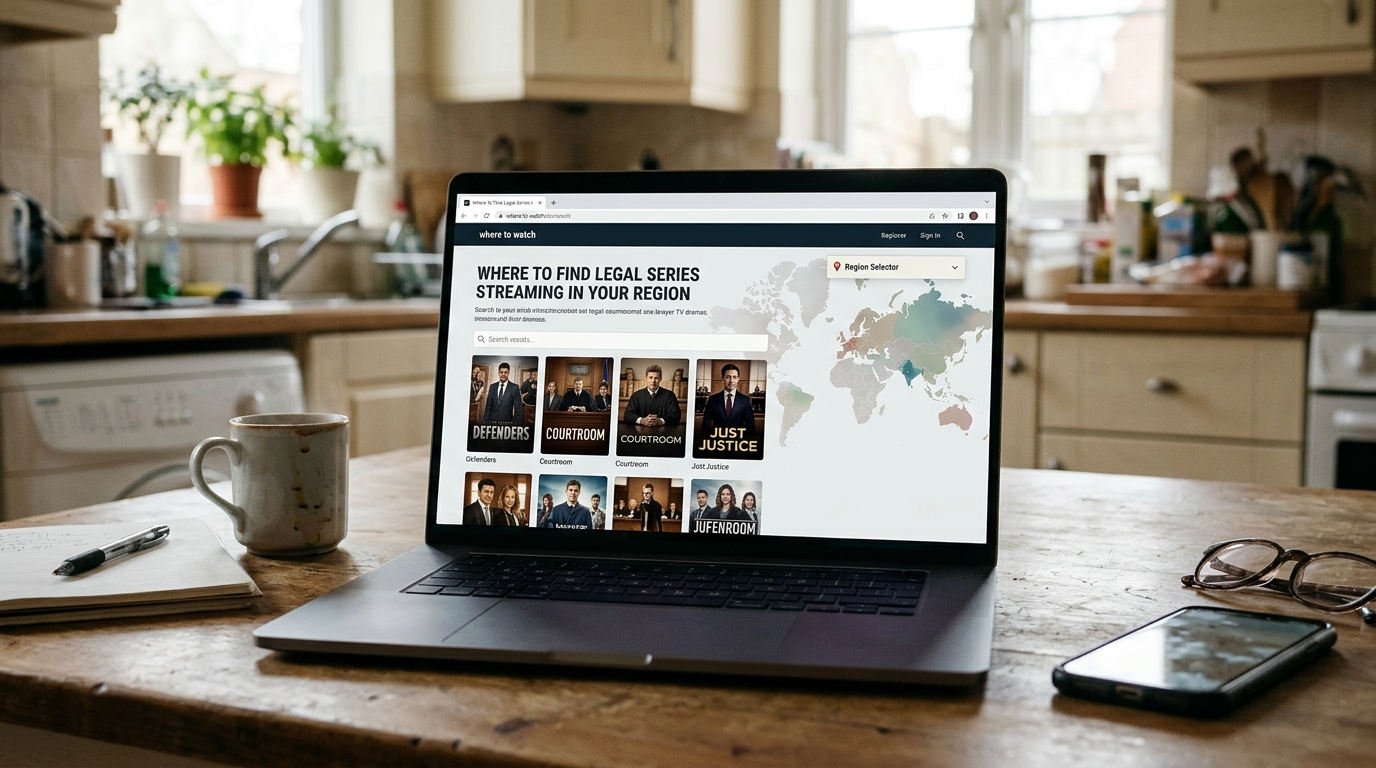
Catalogs change and may differ sharply by country. A title that headlines a platform's U.S. advertising may be absent from your local account or offered through a partner elsewhere. Before paying, search for each must-see series in the actual regional catalog. Check the correct season rather than assuming the entire show is included because its title page exists.
Pay particular attention to the difference between original productions and licensed titles. A licensed drama may leave a service, while an original may be offered under different arrangements outside the producer's home market. No simple rule guarantees permanence. If you want one particular season, confirm it is playable now and note its available subtitles or dubbing. That is a stronger basis for a decision than the provider's overall brand reputation.
Translate subscription prices into viewing value
Monthly fees are easy to compare on a price chart, but a price by itself says little about use. Estimate the number of hours you will realistically watch over the coming month. If one service gives you twenty enjoyable hours while another gives you two, the cheaper plan may actually be worse value. The goal is not to watch television simply to justify a bill, however. That would turn savings into a demand on your free time.
Also examine taxes, billing currency, introductory discounts, annual commitments and renewal dates. Annual plans often look economical per month, but only when you expect sustained use. A plan that makes sense for a family watching daily may be wasteful for someone who completes one limited series every few weeks. Your preferred viewing frequency should shape the contract.
Understand the plan tiers before selecting one
Streaming services frequently separate plans by advertising, picture quality, simultaneous streams, offline downloads or device eligibility. These distinctions matter differently to different households. Someone watching on a small tablet may not need the highest resolution, while a family sharing several screens may care more about concurrent playback. Download support can be essential for travel or unstable connectivity.
Do not assume the least expensive advertised tier includes every newly promoted title. Some releases can be restricted to particular plans, and features can vary by market. Check the exact tier description at checkout. If the service offers a trial, verify the trial's expiry, payment requirements and cancellation path rather than relying on a remembered policy from years earlier.
For how access changes from one country to another, see our guide to finding legal series streaming in your region.
Device support is part of the experience
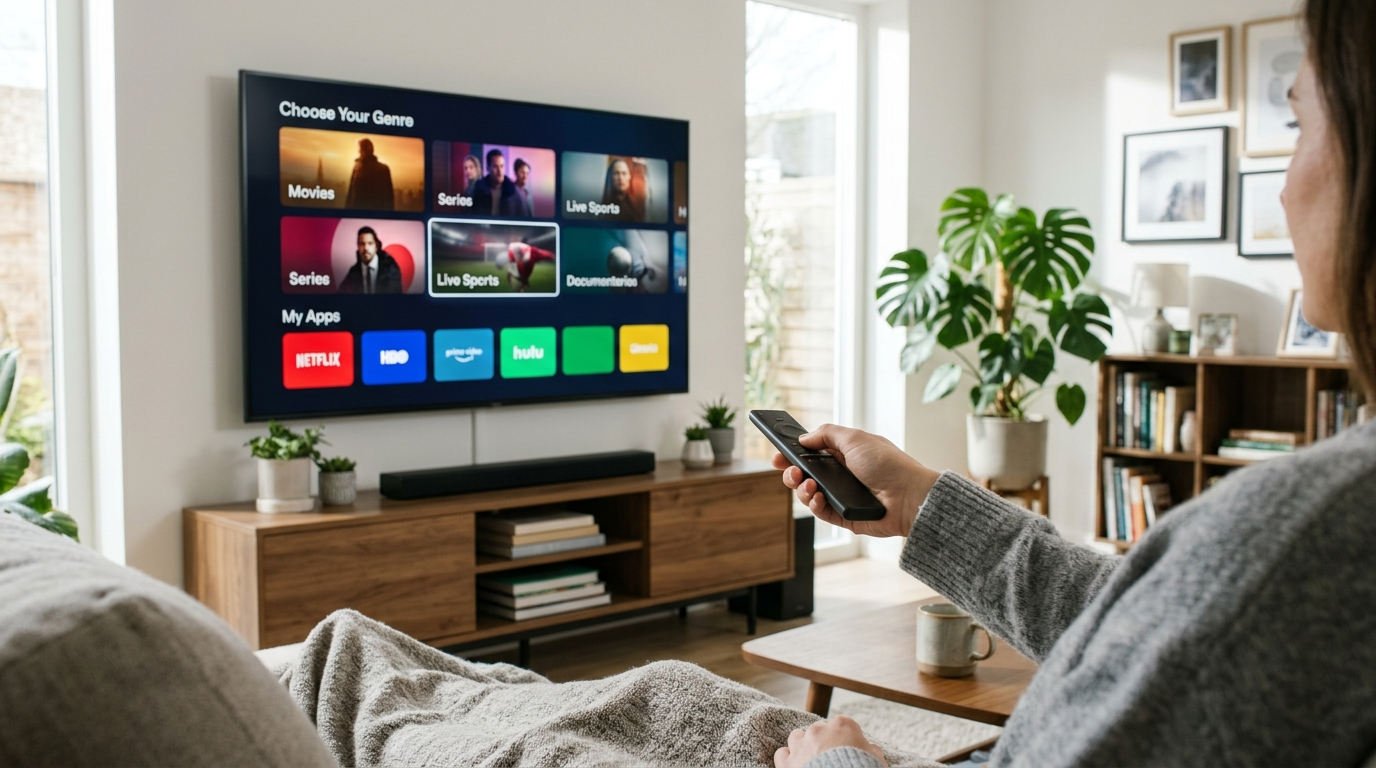
A compelling catalog is difficult to enjoy when the app performs poorly on your main television or is unavailable on an older device. Check support for the smart TV operating system, streaming stick, phone or browser you use most often. Consider subtitles, audio-description features, playback controls and whether the account makes it easy to resume from the correct episode.
A short test session can reveal irritating limitations: buffering on your network, difficulty switching audio languages or an interface that repeatedly loses progress. Internet speed matters, but so does compatibility between the app and device. Avoid making a large annual commitment before confirming that the service works smoothly where you intend to watch it.
Think about how releases fit your routine
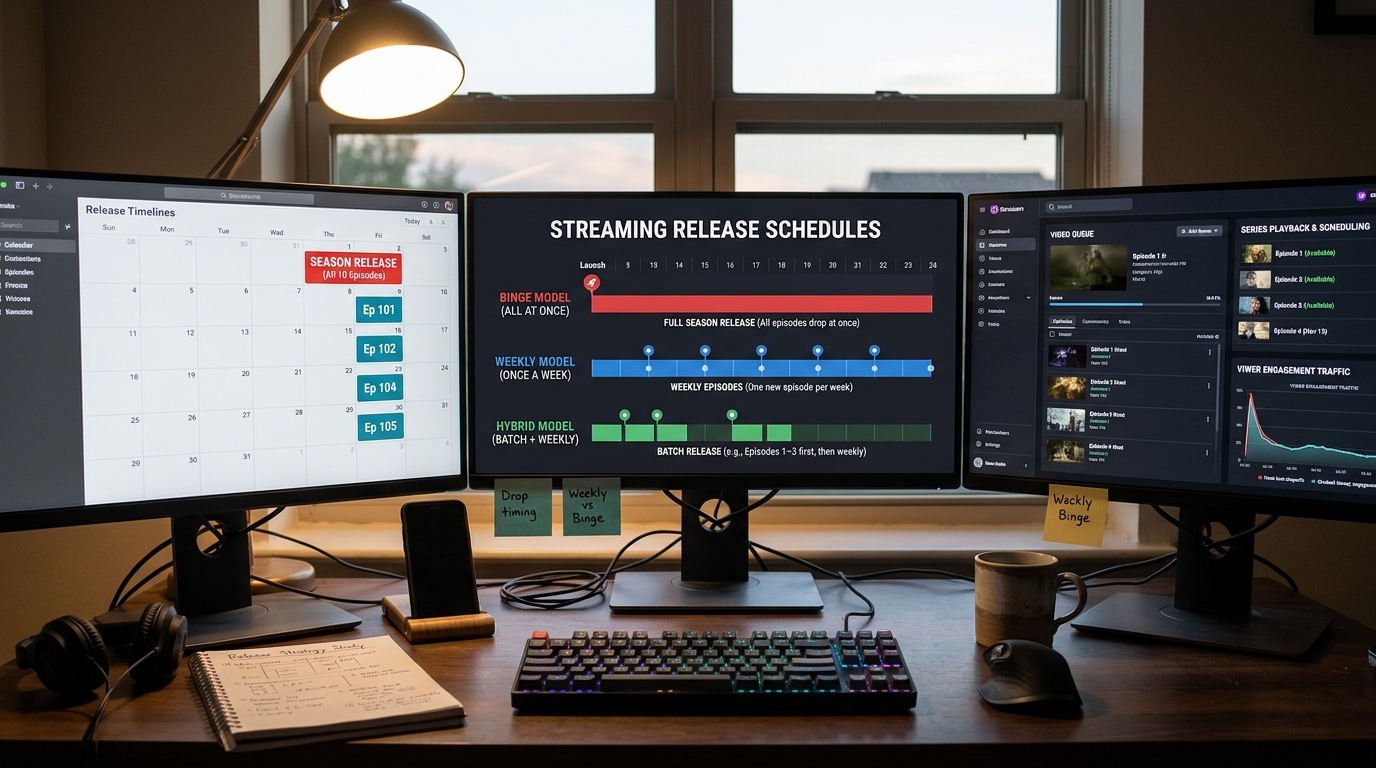
Weekly shows are useful if anticipation and conversation are part of your pleasure. Full-season releases can suit viewers who prefer to watch privately at their own pace. Split releases fall somewhere between those experiences. The same service may use different patterns for different titles, so do not assume a brand always follows one schedule.
If a series releases slowly, you might subscribe later when several episodes have accumulated. If you want to participate in the weekly cultural conversation, an earlier subscription may be worth the extra month. Neither decision is automatically superior. The important thing is to compare the release pattern with your actual intention rather than paying in advance merely because a poster says “coming soon.”
Try a rotating subscription strategy
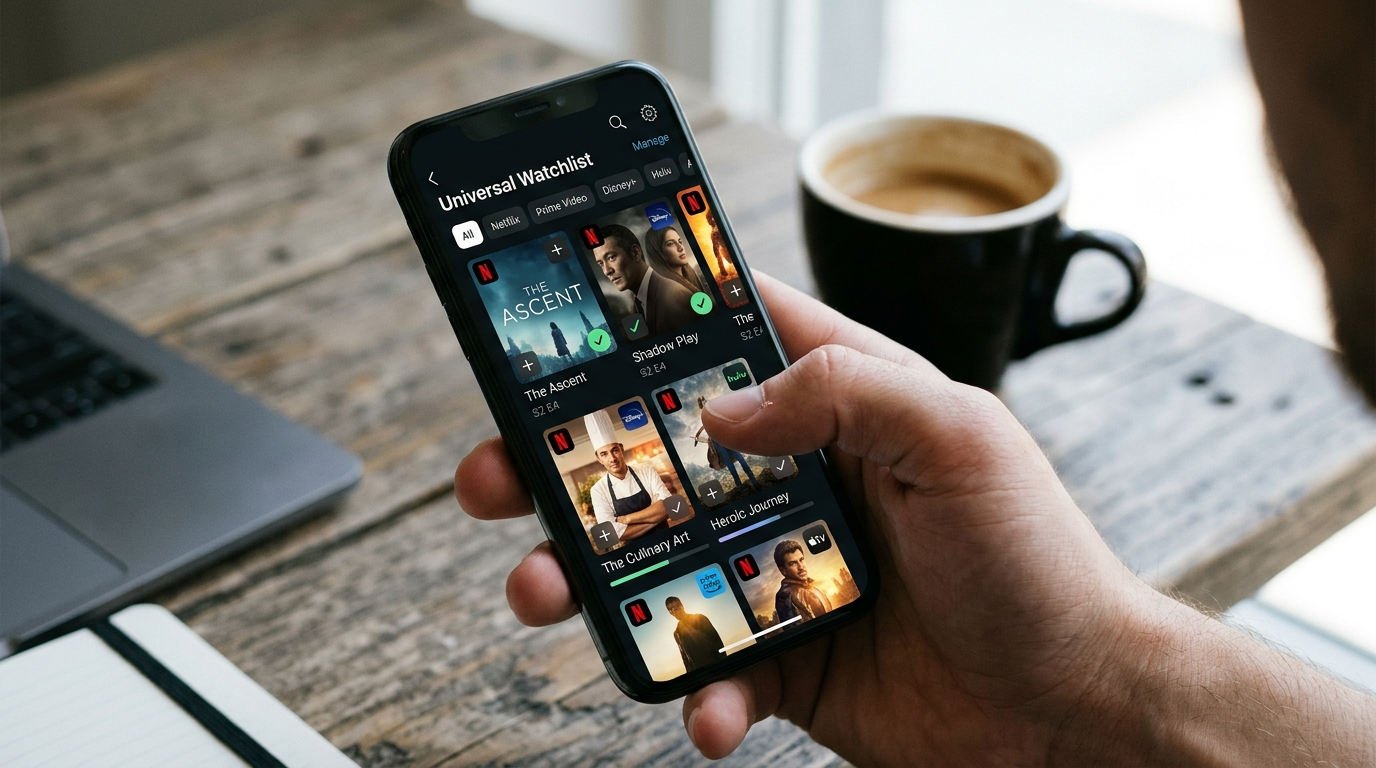
You do not necessarily need every platform at once. A rotating approach concentrates viewing on one or two services, then changes when your priorities change. Keep an independent watchlist that notes which titles belong to which platform and what their current release status is. This reduces repeated searching and makes it easier to determine whether a new subscription would actually be used.
Rotation requires a little discipline. Record renewal dates and cancellation confirmation, and make sure you do not lose a temporary promotional price that you genuinely value. Still, for occasional viewers it can make the choice of service less permanent and less stressful. Subscriptions become tools for accessing shows, not identities you must maintain.
Decision table: compare plans by what you will watch
| Catalog | Is the exact season available? | Confirm in your country |
|---|---|---|
| Cost | Price including tax and plan tier | Compare one billing cycle |
| Playback | Devices, downloads, captions, resolution | Check supported devices |
| Cancellation | Billing and renewal terms | Read before paying |
Sources and useful viewing resources
The catalog directory and official support centers let you check title availability and plan rules in your territory. The decision table is guidance, not a real-time price comparison.