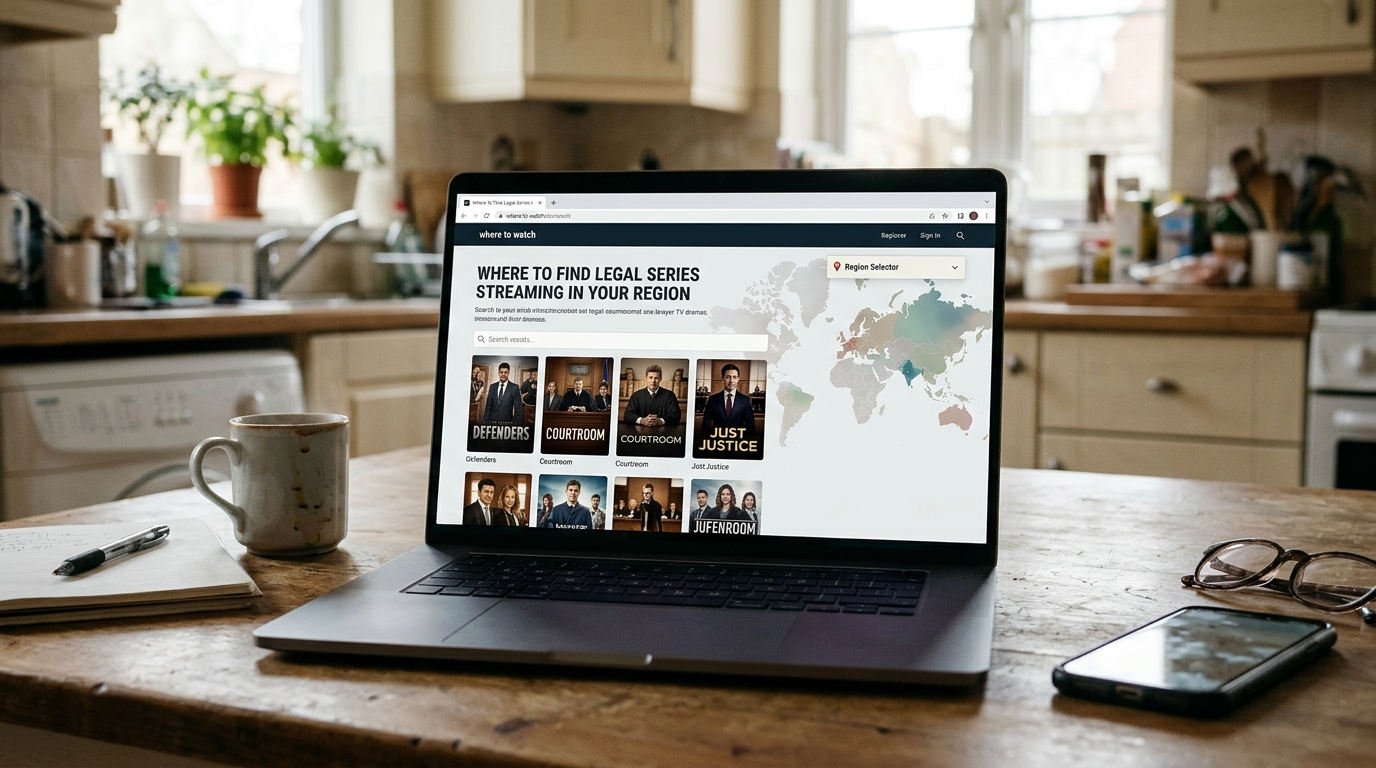
Finding a legal place to stream a television series can be more complicated than finding information about the series itself. An online search may show a U.S. platform even when your country has a different licensing arrangement. A title can be available for purchase but absent from subscription catalogs, or an older season can appear while the newest installment is still unavailable. The reliable approach is to check rights and access in a deliberate order.
This guide focuses on authorized distribution. It does not provide links to unlicensed streams or advise ways around geographic restrictions. The goal is to help you identify the local service, rental or purchase option that actually has permission to offer the program, with the language and device features you need.
Start with the rights holder's information
For a current original series, the producing service's official title page or newsroom may identify where and when episodes premiere. For a show distributed internationally, the rights holder may name different regional partners. The first question is not “Which logo appears on the poster?” but “Who is authorized to show this specific season where I live?” Those answers can differ even when the underlying production is identical.
Read the wording carefully. “Exclusive in the United States” is not worldwide exclusivity. “Available on the platform” may refer only to supported markets or account tiers. A distributor announcing that a season debuts in November has not necessarily confirmed that a dubbed edition launches simultaneously in every territory. Use precise language in your own notes to avoid turning promotional generalities into false promises.
Search inside the local app or website
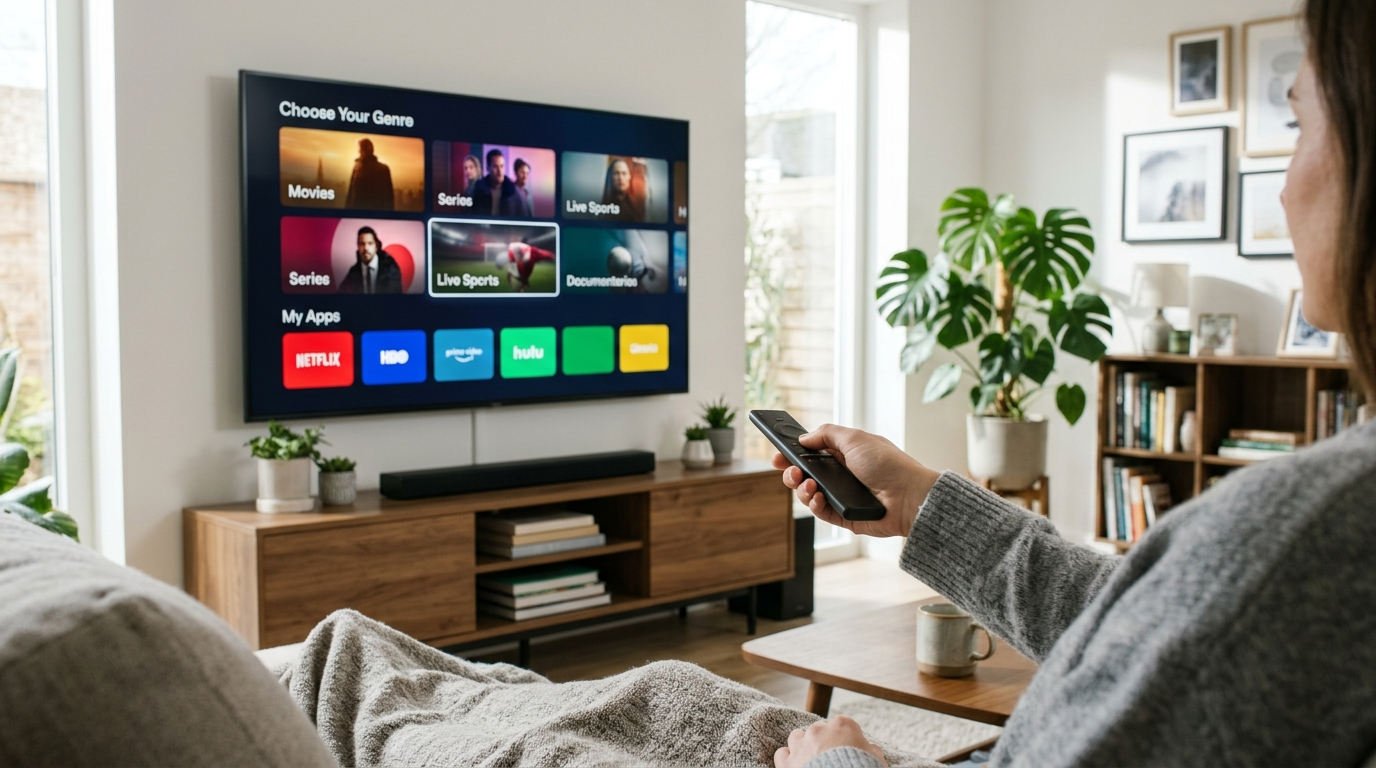
Search results indexed by major search engines can point to catalog pages that are not playable in your region. Whenever possible, sign in to the streaming app or use its country-specific catalog to check the actual title. Confirm the season number, episode list, playback status and whether the content is included in your plan rather than offered as an extra purchase.
Do not stop at the thumbnail. A page may exist for a show without carrying the episodes you need. Look for a recognizable play button, language options and correct season labels. On a shared household account, verify that age restrictions or profile settings are not hiding the program. If the content is unavailable, note the missing season rather than assuming the service has removed the entire series.
Understand why rights change from place to place
Television distribution involves agreements that can be divided by country, time period, language, platform and type of access. A company may commission a series but sell or license its exhibition elsewhere, particularly when a service does not operate directly in every market. Older shows sometimes move between distributors as contracts expire. These arrangements are invisible to viewers but explain many catalog discrepancies.
A global promotional campaign can therefore coexist with different legal access routes. Avoid treating this as proof that a company is hiding a secret universal version of its library. Usually the more practical response is to find the authorized local distributor or wait for a clear announcement. Your location affects access; your interest in the show does not change the underlying licensing rules.
Look beyond subscription platforms
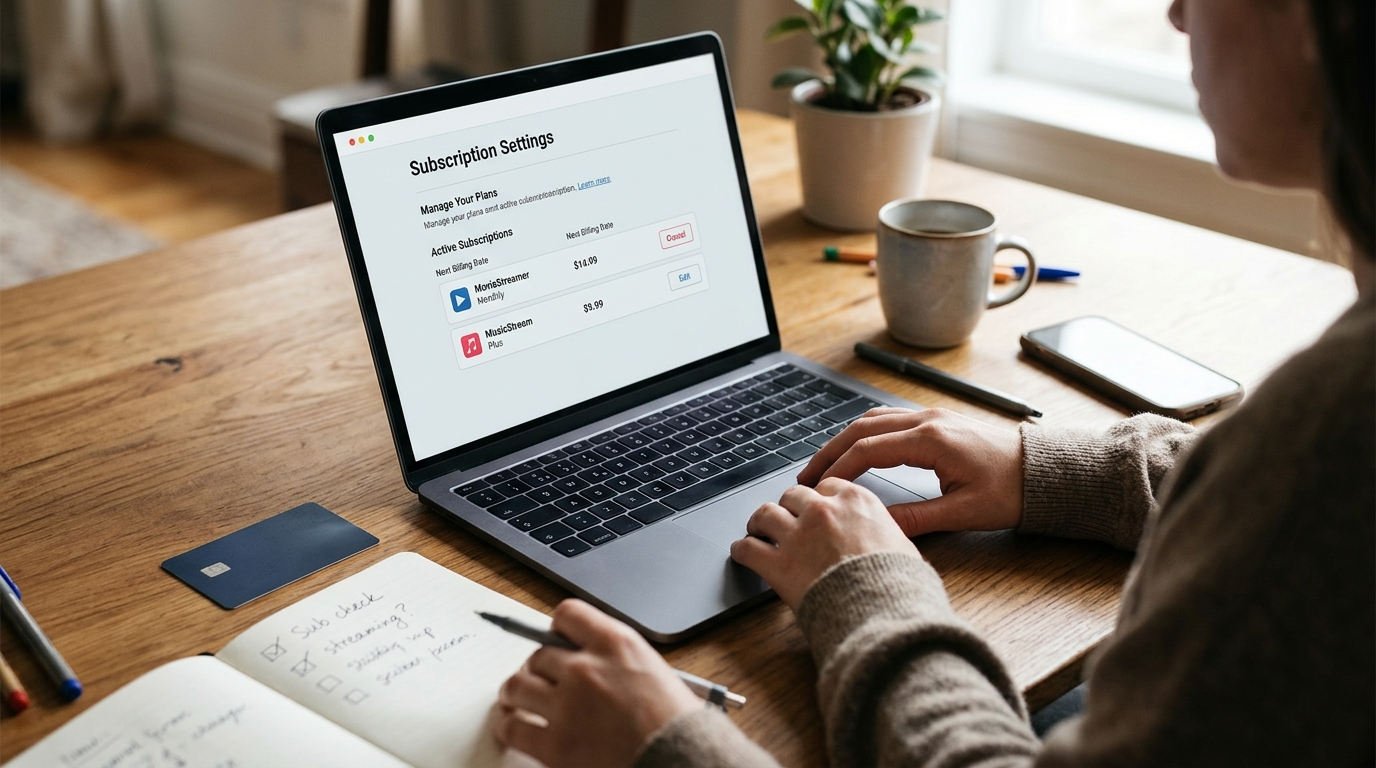
If a show is not included in a monthly subscription, it may be legally available through digital purchase, episodic rental, an authorized broadcaster or an official free, ad-supported service. The value of each option depends on price and viewing frequency. Buying a season can make sense for a favorite you revisit; renting may suit a short viewing window; a legal broadcaster can be convenient if episodes remain available on demand.
Check what the transaction actually grants. A “purchase” of digital access often remains subject to platform terms, availability and account status. A rental may expire after a specified period once playback begins. Some free services require registration or insert advertising. Knowing these details before paying prevents the disappointment of discovering that the format or viewing window does not match your plans.
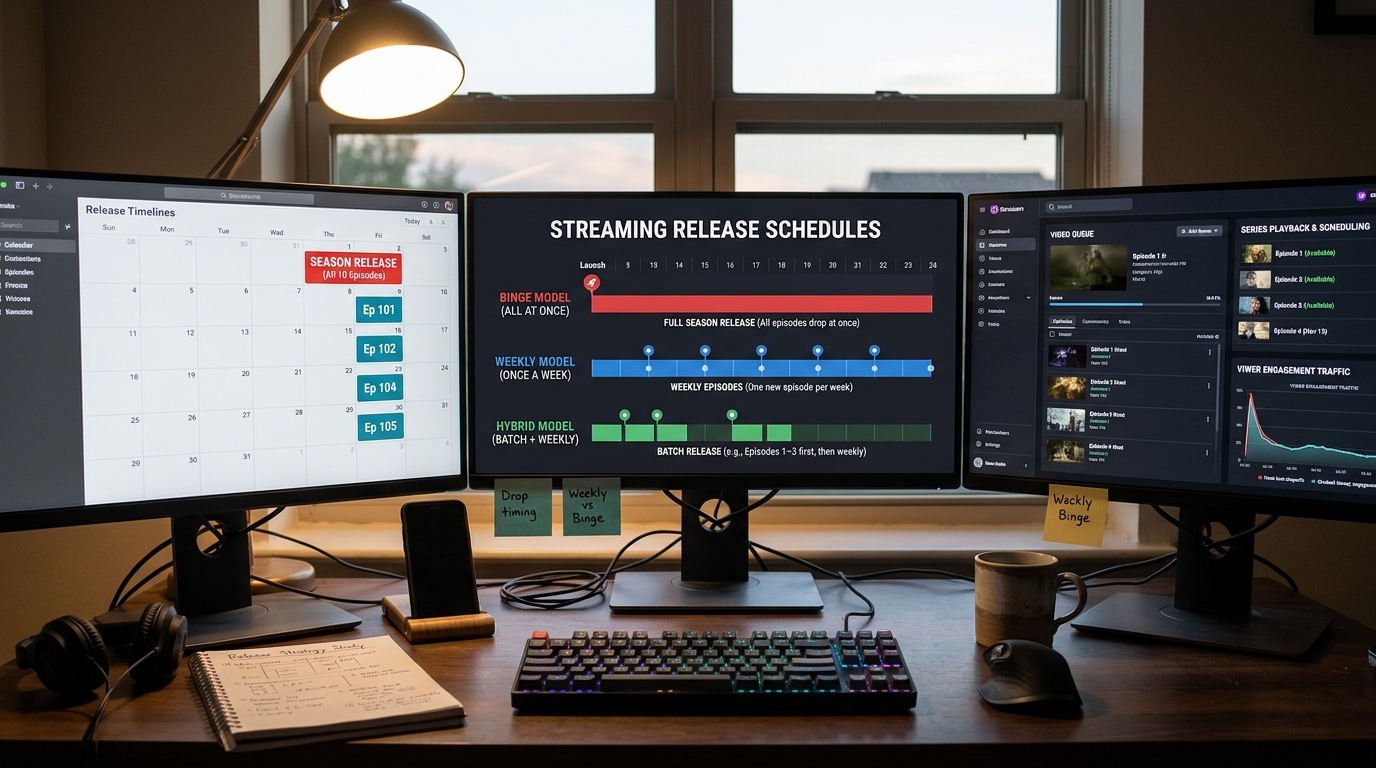
For what you can expect from each service’s episode cadence, see our breakdown of how streaming release schedules differ.
Use discovery services critically
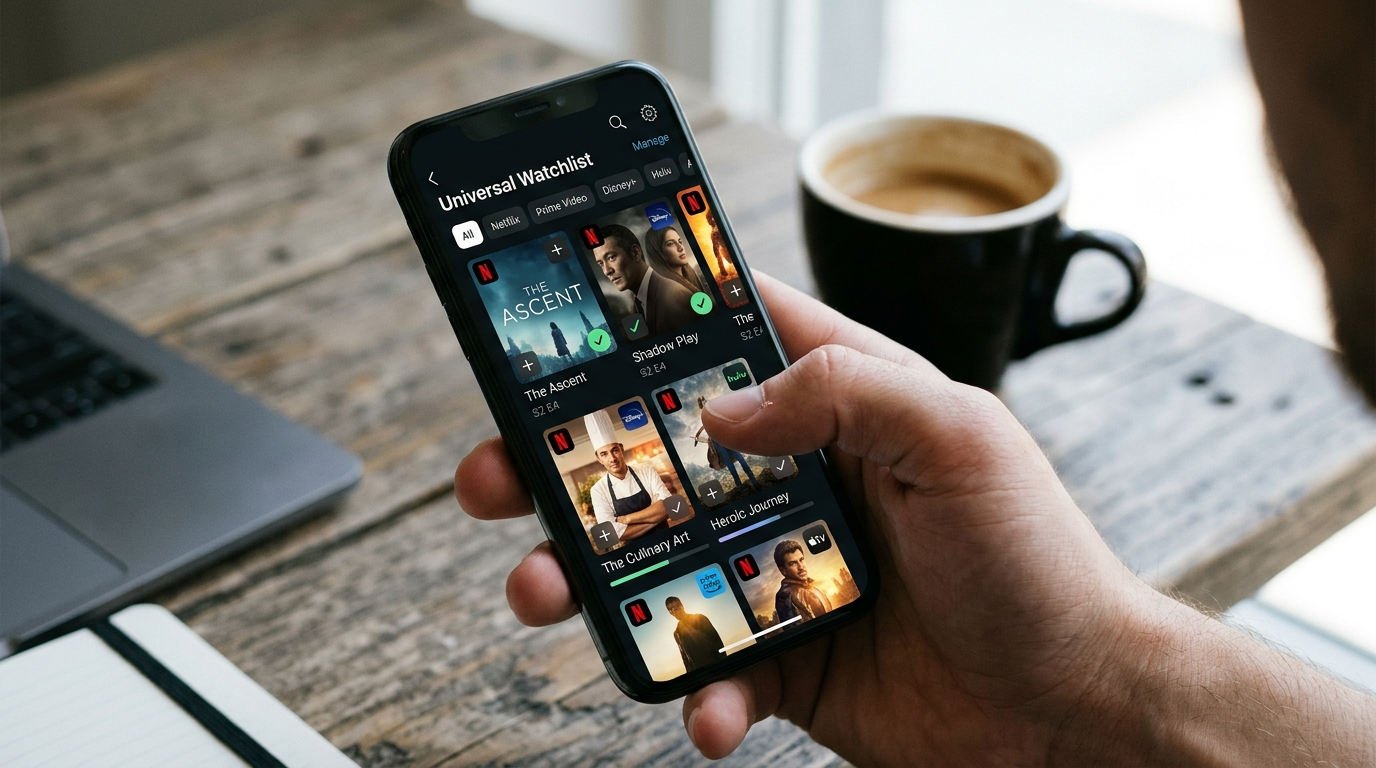
Streaming-search websites and entertainment databases can save time by aggregating providers. They are best used as starting points, not final guarantees. Listings may lag behind catalog changes or select the wrong country by default. Some combine subscription, rent, buy and free listings in ways that look superficially similar. A small filter setting can change the result entirely.
When a discovery site says a program is available, follow through to the official provider and check current playback. If two sites disagree, prioritize the rights holder and the local service over copied listings. This extra step is especially important for new premieres, when an anticipated entry may appear in a search index before the episodes are actually released.
Language options are part of accessibility
A legally available program is not necessarily available in the language you prefer. Subtitles, closed captions, dubbed audio and audio description may differ by country, service and device. Sometimes older seasons have more language options than the newest release, and sometimes a particular audio track is delayed. This makes language checking a practical part of determining availability, not a minor afterthought.
If accessibility features are important, test a sample episode where possible. Verify that captions can be displayed at a comfortable size and that controls work on your main screen. For international dramas, consider whether you want original-language audio with subtitles or a dubbed edition. Neither choice is inherently better; the important factor is having a legitimate version you can follow and enjoy.
Be cautious with search results promising “free HD”
Unauthorized streaming pages often imitate legitimate players and may make exaggerated claims about free access, rapid premieres or exclusive episode links. Some use deceptive buttons, misleading redirects or intrusive requests for personal information. A recognizable title does not prove that the site has distribution rights. Nor does the absence of an immediate payment request establish that a service is authorized.
Prefer known platforms, broadcasters and official distribution notices. Before entering payment details, look for genuine operator information and clear account terms. A search result that offers a newly released season in every territory without explaining the source should raise questions. Protecting your devices and information is a sensible reason to use legitimate services, independent of copyright concerns.
Sources and useful viewing resources
JustWatch can help discover licensed local providers; official service help centers can resolve availability and plan questions. Do not treat a global search-result snippet as proof of a lawful local offer.